ФКУ СИЗО № 2 ФСИН России
Начальник — Александр Александрович Павлов (с 2 марта 2026 г), до нео Дмитрий Владимирович Елкин, до него Михаил Свинолуп, до него Алексей Ромашин, до него Владимир Репкин
Начальник отдела режима — Александр Юрьевич Ханов
Адрес: Лефортовский вал, д. 5
Тюрьма «Лефортово» была и остается главной тюрьмой госбезопасности. С началом войны эта тюрьма играет ключевую роль в операциях ФСБ – от репрессий против правозащитников и ученых, до тайных чисток аппарата ФСБ и содержания пленных украинцев.
В первый же день войны в «Лефортово» попал правозащитник Бахром Хамроев, член «Мемориала» — Мещанский райсуд Москвы арестовал его на два месяца по делу об оправдании терроризма. Именно дело Хамроева было использовано для начала масштабной атаки на «Мемориал», которая привела к разгрому старейшей правозащитной организации в стране.
В апреле в Лефортово отправили начальника Пятой службы ФСБ генерала Сергея Беседу, который был помещен в СИЗО под чужим именем. (Впоследствии Беседу освободили и вернули на рабочее место).
В тот же месяц офицер ФСБ Михаил Свинолуп, всего три месяца назад получивший в свое ведение Лефортово, ушел из следственного изолятора и вернулся в Следственное управление ФСБ. Новым начальником СИЗО стал Дмитрий Елкин, также выходец из Следственного управления ФСБ — Елкин возглавлял один из отделов СУ, и также, как и Свинолуп, имеет опыт службы в первом (шпионском) отделе.

С начала войны в Лефортово появились четыре новых обвиняемых в госизмене. В мае в Лефортово поместили Виталия Кривошлыка, которого обвинили в передаче гостайны представителю иностранного государства. Как сообщил Telegram-канал «Осторожно, новости», Кривошлык раньше жил в украинском селе Гоптовка Харьковской области, которое сейчас контролируется российскими войсками. По данным Telegram-канала, Кривошлык занимался бизнесом и был депутатом совета украинского села Токаревка. Когда он получил российское гражданство и имел ли его вообще, неизвестно.
В середине июня в Лефортово поместили интернет-предпринимателя москвичку Екатерину Завалишину, которой также инкриминируется передача информации, составляющей гостайну, представителю иностранного государства.
В конце июня из Новосибирска в Лефортово были отправлены два ученых Сибирского отделения Российской академии наук, арестованных по подозрению в госизмене (в пользу Китая) — Дмитрий Колкер и Анатолий Маслов. Тяжело больной Колкер скончался спустя несколько дней после этапирования в Лефортово.
С середины апреля в Лефортово активно готовились к приему большого количества узников. 27 апреля начальник Лефортово Дмитрий Елкин подписал контракт о поставке индивидуальных рационов питания для спецконтингента в количестве 800 штук — рационы должны поставить из колонии №11 в Нижегородской области. А 8 июня Елкин подписал контракт на проведение капитального ремонта прогулочных дворов на первом этаже. (Контракт будет выполнен Управлением капитального строительства №101 ФСИН).
По нашим данным, в середине июня в Лефортово ужесточили режим: арестантов теперь выводят с особой осторожностью, в камерах закрыли форточки — чтобы никто не слышал и не знал, кто еще сидит в изоляторе. Кроме того, отдельное крыло выделили для пленных сотрудников СБУ и, вот ирония, для сотрудников Пятой службы ФСБ. Вход в крыло отделили черным занавесом, и по нашим данным, туда допущены только отдельные сотрудники изолятора. И именно в «Лефортово» содержатся сдавшиеся в плен командиры «Азова».
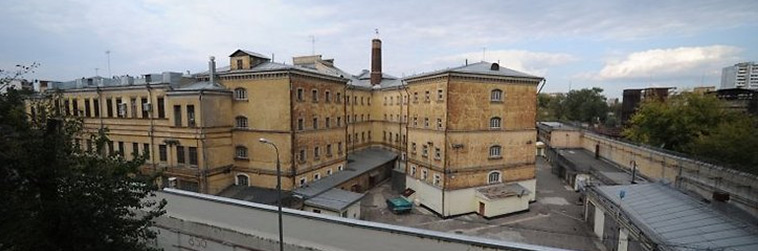
История тюрьмы
Почти все сведения о жизни тюрьмы Лефортово в XX веке, — это воспоминания лефортовских сидельцев. Из «Архипелага ГУЛАГ» мы знаем, что в 40-е годы в тюрьме были «психические» камеры, окрашенные в черный цвет с круглосуточным светом. Зеков мучил рев «от аэродинамической трубы соседнего ЦАГИ», от которого миска с кружкой, вибрируя, съезжала со стола. В пролетах тюремного корпуса, построенного в форме буквы «К», в металлических галереях, а также в переходе в следственный корпус стояли «регулировщики с флажками», чья обязанность была разводить узников по коридорам так, чтобы они не видели друг друга. Евгения Гинзбург в «Крутом маршруте» вспоминает мягкие дорожки, бесшумные двери, вежливость конвойных и знаменитый лефортовский подвал, «где расстреливают мод шум заведенных тракторов». Сегодня охранники Лефортово по-прежнему оповещают друг друга, когда выводят обвиняемого из камеры. Для этого у охранников в руке есть металлический кругляш с мембраной, издающей треск, впрочем, иногда они обходятся щелканием пальцев.
Тюрьма Лефортово была возведена в 1881 году и находилась в подчинении главного тюремного управления Министерства юстиции. По данным прежнего начальника лефортовского СИЗО полковника Виктора Макова, тюрьма построена архитектором П.Н. Козловым, а не Гиппенером, как многие ошибочно полагают.
Во время Февральской революции ГТУ переименовали в Главное управление мест заключения (ГУМЗ). После октября ГУМЗ остался в составе Наркомата юстиции. Однако Лефортово отошло к другой системе, которая начала складываться параллельно — сети тюрем ЧК, которым заведовал Спецотдел ВЧК. В 1920-х Лефортово находилась под контролем ОГПУ (Объединенное Главное политуправление), в то время как вся система лагерей и тюрем принадлежала другому главку НКВД — ГУМЗ (Главное управление местами заключения).
В 1930-х Лефортово (наряду с Лубянской внутренней, Бутырской и Сухановской) находилось в подчинении Главного тюремного управления ГУГБ НКВД СССР. В 1943 году НКВД разделили на два ведомства — НКВД и НКГБ, и Лефортовскую тюрьму передали в ведение отдела «А» НКГБ. Позднее НКГБ было переименовано в МГБ, в 1953 году объединено с МВД, и Лефортово считалось тюрьмой центральной подчинения Тюремного управления МВД.
При создании КГБ в 1954 году тюрьма вновь отошла чекистам. В 1960-х председатель КГБ Владимир Семичастный закрыл внутреннюю Лубянскую тюрьму (теперь там столовая), и Лефортово приобрела нынешний свой статус — главной тюрьмы госбезопасности.
После смерти Сталина и конца эпохи массовых репрессий многие тюрьмы госбезопасности были упразднены — в 60-х была даже закрыта внутренняя тюрьма на Лубянке, но КГБ оставил за собой Лефортово для содержания диссидентов и подозреваемых в шпионаже.В 1990-е и 2010-е годы тюрьма продолжала использоваться в том же качестве: после октябрьских событий 1993 года сюда поместили противников Ельцина, а впоследствии узниками Лефортова были дипломат Валентин Моисеев, обвиняемый в шпионаже на Южную Корею, металлургический магнат Анатолий Быков, офицер ФСБ Александр Литвиненко, «юкосовцы» Платон Лебедев и Алексей Пичугин.
Всегда под контролем ФСБ
Став в начале 1990-х главной преемницей КГБ, ФСК, в 1995-м переименованная в ФСБ, унаследовала и Лефортово. Однако за контроль над тюрьмой ей пришлось серьезно бороться.В 1993 году в процессе затеянной Ельциным реорганизации российская контрразведка временно утратила свой следственный аппарат. В результате в январе 1994-го Лефортово перешло в подчинение к МВД. Вскоре из тюрьмы, впервые за всю ее историю, сбежали двое заключенных. Воспользовавшись скандалом как удобным поводом, в апреле 1997 года ФСБ, которая к тому времени уже добилась возрождения следственного управления, смогла вернуть в свое подчинение и следственный изолятор Лефортово (официальное название тюрьмы).
Одновременно с Лефортово в ведение ФСБ вернулись 13 региональных тюрем. Между тем за год до этого, в 1996 году, Россия вступила в Совет Европы. При этом Кремль, помимо всего прочего, пообещал «в течение года пересмотреть закон о Федеральной службе безопасности, с тем чтобы привести его в соответствие с принципами и стандартами Совета Европы: в частности, лишить ФСБ права иметь и управлять следственными изоляторами». Совет Европы требовал от России отделить следственные органы от тюрем, так как в противном случае у следователей есть возможность оказывать давление на заключенных. В 1998 году МВД передало свои тюрьмы и другие пенитенциарные учреждения в ведение Министерства юстиции, однако ФСБ продолжала сопротивляться требованиям Европы.
В 2004 году заместитель директора ФСБ Вячеслав Ушаков на встрече с представителями ПАСЕ пояснил, что ФСБ абсолютно необходим изолятор, гарантирующий «высокий уровень безопасности». Только Лефортово, по утверждению Ушакова, соответствует этим требованиям. (В марте 2005-го тезис Ушакова подставил под сомнение 27-летний заключенный из Киргизии Талгат Кукуев, отправленный чистить снег на крыше СИЗО и без особого труда преодолевший забор, окружающий Лефортовскую тюрьму. Его удалось поймать лишь в мае того же года.)
26 мая 2005 года глава Минюста Юрий Чайка в ходе встречи в Москве с комиссаром по правам человека Совета Европы Альваро Хиль-Роблесом заявил, что Следственный изолятор Лефортово и другие изоляторы ФСБ России будут переданы по указанию президента РФ под юрисдикцию Минюста России. «Таким образом Россия выполняет свои обязательства при вступлении в Совет Европы», — заявил тогда министр юстиции.
В апреле 2005 года Путин подписал указ о передаче Минюсту всех тюрем ФСБ (в том числе и Лефортова), а в июле того же года одобрил соответствующие поправки в закон о ФСБ; передача должна была произойти до января 2006 года. 2 декабря 2005 года директор ФСИН Ю.И. Калинин приказом №857 л/с назначил начальником СИЗО Репкина Владимира Васильевича «с должностным окладом 3396 рублей 60 копеек, с 1 декабря 2005 года. Основание: рапорт Репкина В.В. от 17 ноября 2005 г.»
Поначалу казалось, что ФСБ выполнила президентский указ. Руководство ведомства отрапортовало о передаче тюрем ФСБ в ведение ФСИН, для чего в ФСИН даже было создано Управление следственных изоляторов центрального подчинения. Однако в конце декабря 2005 года мы узнали из надежных источников в Следственном управлении ФСБ, что тюремные сотрудники, ранее числившиеся в ФСБ, спешно перевелись во ФСИН в качестве так называемых АПС (аппарат прикомандированных сотрудников). Иными словами, формально числясь в штате ФСИН, эти офицеры по-прежнему подчиняются своему руководству в ФСБ. ФСБ ни разу не попыталась опровергнуть эту информацию. А в 2008 году она получила официальное подтверждение — в весьма своеобразной форме.
В марте 2008-го гарнизонный военный суд Санкт-Петербурга санкционировал арест двух офицеров ФСБ — начальника и заместителя начальника городского СИЗО № 3. Ранее эта тюрьма находилась в ведении УФСБ по Санкт-Петербургу и Ленинградской области, а в 2006 году, в соответствии с президентским указом, была передана ФСИН. Оба офицера, 45-летний подполковник ФСБ Александр Ногтев и его заместитель 32-летний майор ФСБ Павел Челепёнок, до этого служили в местном управлении ФСБ, и после передачи СИЗО под контроль ФСИН остались на своих должностях. Официально они были переведены в Службу исполнения наказаний, но при этом сохранили свои звания и должности в ФСБ, что следует из информации, обнародованной на суде и впоследствии опубликованной в СМИ. Нарушение Россией обязательств, данных Европе, нисколько не возмутило Владимира Путина.
В конце 2015 года Репкина сменил Алексей Алексеевич Ромашин.
11 января 2022 года стало известно, что начальник следственного изолятора Алексей Ромашин ушел в отставку. Врио начальника СИЗО стал Михаил Свинолуп. Свинолуп ранее перешел на должность замруководителя СИЗО (подчиняется ФСИН) из следственного управления ФСБ. Свинолуп — выходец из шпионского, первого отдела, где занимал должность заместителя руководителя отдела.
Вот как выглядит эта схема: сначала следователь ФСБ переводится в центральный аппарат спецслужбы в подчинение Управления М (отвечает за надзор над правоохранительными органами, в том числе и ФСИН), а затем прикомандируется к Следственному изолятору ФСИН уже как офицер АПС (аппарат прикомандированных сотрудников ФСБ).
Именно такой способ уже много лет использует ФСБ для сохранения контроля над Лефортово, хотя формально эта тюрьма находится в ведении совсем другого ведомства — ФСИН, и ФСБ еще в 2005 году рапортовала, что больше не имеет тюрьмы в своем подчинении.

Внутреннее устройство
Лимит наполняемости СИЗО «Лефортово» составляет 300 мест. Камеры двухместные, размером около 10 кв. м, есть и одиночки.
Евгения Гинзбург в «Крутом маршруте» вспоминает мягкие дорожки, бесшумные двери, вежливость конвойных, и знаменитый лефортовский подвал, «где расстреливают под шум заведенных тракторов». Многие вещи изменились, но не все. Например, охранники по-прежнему оповещают друг друга, когда выводят обвиняемого из камеры, и ковровые дорожки на месте. Дело в том, что один контролер наблюдает за 12 камерами. Он бесшумно идет по ковру, смотрит в глазок, и заключенные не слышат его шагов.
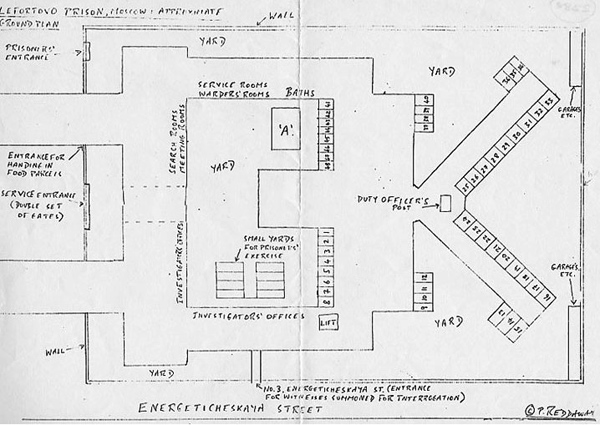
Эдуард Лимонов подробно описал тюремные нравы и порядки в Лефортово в книге «В плену у мертвецов». Как пишет Лимонов, сегодня «в месте, где сходятся все три части буквы К… находится обширный пульт… Там всегда отирается пять, шесть, десять тюремщиков, там стоят несколько экранов компьютеров, там есть микрофоны прослушки… Сидим мы по двое, по трое в каменных мешках-пеналах, соседей нам меняют раз в несколько месяцев. Когда выводят, то наши стражники издают трескающие звуки, сжимая в руке металлический кругляш с мембраной, — предупреждают: «ведем государственного преступника!». Вторым способом оповещения служит стучание по полым трубам — обрезки их прикреплены к стенам у каждой двери и вдоль коридоров. По пути следования есть деревянные чуланы-мешки, в которые в случае появления встречного зека нас прячут».
По подсчетам Лимонова, 15 прогулочных двориков расположены на крыше тюрьмы и через них за день проходят три смены зеков. На прогулки, которые начинаются в 8 утра, зеков поднимают два лифта. По его данным, на каждом этаже 4-х этажного тюремного корпуса расположено 50 камер.
Режим
Лефортово отличается от других российских СИЗО не только хорошими условиями, но и строжайшим режимом.
Наталья Денисова, жена Валентина Моисеева, дипломата МИД, осужденного за шпионаж, убедилась в этом на собственном опыте: «Хотя условия содержания в Лефортово на первый взгляд не плохие, но режим очень строгий. Например, я не могла добиться свидания с мужем 10 месяцев, хотя по закону положено 2 свидания в месяц продолжительностью до трех часов. Мне ни разу не давали поговорить с мужем больше часа. Со стороны Лефортовской улицы — железные ворота, куда въезжают автозаки. Слева от ворот видна обычная дверь, она ведет в помещение, где родственники заключенных передают передачи и дожидаются свиданий. Но с передачами проблем не было: сдаешь продукты по квитанции администрации и передача целиком доходят до камеры. Правда, проблемы с передачей денег — их надо отправлять по почте, а идут они месяца. Деньги нужны для того, чтобы покупать продукты в ларьке, который есть в тюрьме».
Agentura.ru 2022