Андрей Солдатов, Ирина Бороган / отрывок из книги «Новое дворянство» /
Через два года после захвата заложников в театральном центре боевики провели серию успешных атак на Северном Кавказе. Спецслужбы снова показали свою неспособность быстро и эффективно реагировать на кризисы. Первое нападение произошло 21 июня 2004 года, когда в ингушские города Назрань и Карабулак вторглось более двух сотен боевиков.
Нападавшие действовали группами по 20–30 человек. Они атаковали 15 правительственных зданий, в том числе штаб-квартиру 503-го мотострелкового полка, здания МВД, базу погранотряда ФСБ, военный склад и местные отделения милиции. Боевиками командовал чеченский полевой командир Шамиль Басаев.
Главной мишенью стали сотрудники силовых ведомств. Боевики в камуфляжной форме и масках останавливали людей на улицах, требовали документы и расстреливали на месте тех, у кого находили удостоверения сотрудников правоохранительных органов.
По официальным данным, боевики убили 62 сотрудника силовых органов, среди которых были министр внутренних дел Ингушетии, два прокурора и девять офицеров местного управления ФСБ. Рейд был хорошо скоординирован: в то время как основные силы прочесывали Назрань и Карабулак в поисках сотрудников правоохранительных органов, 35 боевиков направились к складу оружия МВД в Назрани, где они захватили 1500 автоматов Калашникова и большое количество боеприпасов. Захватив милицейские грузовики, повстанцы нагрузили их оружием и покинули объект.
Погрузка заняла три-четыре часа — все это время боевики продолжали атаковать военные объекты. Весь рейд длился не больше пяти часов, а федеральные войска прибыли в Назрань лишь на следующий день, когда бои уже закончились.Захват Назрани открыл новую страницу противостояния на Северном Кавказе.
Это был первый за много лет рейд большой группы боевиков за пределами Чечни. Акция была прямо направлена против правоохранительных органов и ФСБ, при этом федеральные силы потеряли контроль над регионом почти на целый день. Как раз в тот момент, когда многим показалось, что Вторая чеченская война осталась в прошлом, атака на Назрань стала прямым вызовом российским спецслужбам.
Атака на Ингушетию произошла в то время, когда ФСБ была занята структурной реорганизацией. Кроме того, Кремль хотел показать, что война действительно закончилась, что достаточно полицейской операции МВД, чтобы поддерживать порядок в Чечне. Это отражало новый подход спецслужб к действиям в нестабильных республиках. Теперь почти вся ответственность была возложена на МВД. ФСБ — так же как и армия — продолжала проводить спецоперации в республике, но к лету 2004 года было принято решение, что наведением порядка займется МВД.
К июлю 2004 года на Северном Кавказе сложилась исключительно запутанная ситуация: по меньшей мере три управления ФСБ центрального аппарата, региональные управления ФСБ, подразделения ГРУ и МВД действовали одновременно на одной территории. Координация между ними была очень слабая или отсутствовала.
В августе Кремль попытался исправить положение.Так называемые Группы оперативного управления (ГрОУ) были созданы в каждом регионе Южного округа (всего 12 групп), их возглавили офицеры внутренних войск МВД в ранге полковников. Каждый из 12 полковников также автоматически получил должность первого заместителя председателя антитеррористической комиссии, которым обычно является первое лицо в регионе. 16 августа Владимир Путин лично принял полковников в Кремле. Группы находились в прямом подчинении МВД. Задачей этих групп была координация совместных действий силовиков в случае террористического акта в регионе.
В случае захвата заложников или вторжения боевиков командир ГрОУ автоматически становится руководителем оперативного штаба, и он вправе принимать решения без согласования с Москвой. Создание 12 групп означало перенос ответственности с федеральных структур на региональный уровень.
В 1990-х годах все решения во время серьезных терактов принимались центральной властью в Москве.
Новая система создавалась с прицелом на децентрализацию антитеррористических действий. (При этом Кремль не разглашал имена полковников, чтобы снять с них ответственность перед обществом в случае провала той или иной операции.)24 августа 2004 года в 21:35 и в 22:30 из московского аэропорта Домодедово вылетели два самолета — Ту-134 и Ту-154, выполнявшие внутренние рейсы. Около 23:00 оба лайнера практически одновременно взорвались в нескольких сотнях километров друг от друга. В самолетах погибло 89 человек. В первые же дни после инцидента стало ясно, что самолеты взорвали две женщины-смертницы.
31 августа еще одна смертница подорвалась недалеко от центра Москвы, около станции метро «Рижская». Погибло десять человек, ранен 51. Впоследствии оказалось, что все эти теракты служили лишь для отвлечения внимания спецслужб перед значительно более масштабным терактом, запланированным на следующий день.
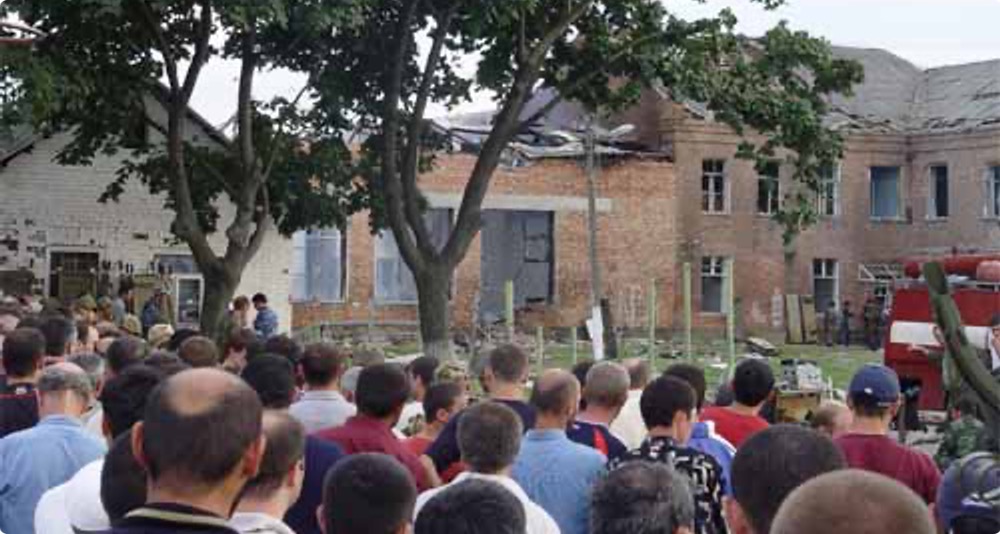
1 сентября 2004 года более сорока террористов, вооруженных автоматами и гранатометами, похищенными во время рейда на Ингушетию, захватили школу в городе Беслане в Северной Осетии. В заложниках оказались более 1100 человек, из них 770 детей.
В первые же часы после захвата школы террористы расстреляли больше десяти человек, взрослых мужчин, и выбросили их тела из окон школы во двор. При этом первые два дня террористы требовали от властей, чтобы переговоры вели президенты Ингушетии и Северной Осетии, а также детский врач Леонид Рошаль. Каждому переговорщику, заходившему в школу, они разрешали забрать несколько заложников, демонстрируя таким образом свою готовность к переговорам. Например, террористы позволили войти в школу бывшему президенту Ингушетии Руслану Аушеву и в качестве знака доброй воли отпустили 26 человек.Однако боевики отказывались разговаривать с журналистами, заявляя, что те могут быть информаторами ФСБ. (Известную журналистку Анну Политковскую могли пустить в школу, но 1 сентября ее преднамеренно — как считала она и сотрудники редакции «Новой газеты» — отравили в самолете по пути в Беслан. Результаты ее медицинских анализов исчезли из клиники, в которую она попала, что укрепляет подозрения в причастности спецслужб к этому отравлению.)
3 сентября, в пятницу, на третий день захвата заложников, ничто не предвещало штурма. Оцепление вокруг школы, в котором стояли солдаты-срочники, было ослаблено, новая военная техника не подходила.К утру пятницы появилась информация, что террористы готовы разрешить медикам забрать тела расстрелянных заложников, которые два дня пролежали на траве у школы. Боевики позволили четырем врачам из МЧС подъехать к школе на машине скорой помощи — и тут в школьном спортзале, где держали всех заложников, прогремело два взрыва.
Было 13:05 3 сентября.
Взрывы практически снесли крышу над спортзалом и часть стены. В панике дети побежали из спортзала.Террористы открыли огонь, в ответ спецназовцы начали штурм здания.Когда началась стрельба, офицеры Центра специального назначения (ЦСН) ФСБ, обученные действиям при захвате заложников, оказались не готовы к такому внезапному развитию событий. И хотя в Беслане было достаточно спецназовцев, две штурмовые группы из десяти оказались в 30 километрах от города, где они отрабатывали штурм на здании, аналогичном бесланской школе. Некоторые офицеры ЦСН, оказавшиеся в этот момент рядом со школой, были без бронежилетов, но все равно побежали к спортзалу.
“Когда из школы понеслись дети и террористы открыли по ним огонь, выхода у спецназовцев не было — они начали штурм школы. Десять офицеров погибли — это самые большие потери ЦСН за всю историю его существования.
Спецоперация быстро превратилась в городской бой. Местные ополченцы, по большей части отцы или родственники заложников, выносили на руках детей из школы. Другие с автоматами и ружьями бежали к школе. Около 14:00 кто-то из них крикнул нам: «Нужны охотничьи патроны — найдите!» К этому времени бой вышел далеко за пределы школы. Кто-то стрелял, кто-то, сообразив, что боевики могут попытаться скрыться, пытался задерживать террористов. На наших глазах двое местных ополченцев схватили женщину, заподозрив в ней террористку, — от расправы ее спасло только появление мужа.
Спустя три часа группы вооруженных людей неясной принадлежности продолжали охотиться друг за другом вокруг школы. Примерно в 17:00 нам удалось подобраться прямо к школе — где мы и остались стоять среди десятков осетин. Стрельба в школе и вокруг продолжалась. В это время государственные телеканалы в Москве сообщали о завершении штурма. В 18:0 Солдатову позвонили с радио «Эхо Москвы» — как раз в этот момент раздался очередной взрыв. «Что происходит? — прозвучало в телефонной трубке. — Нам сказали, что операция давно закончилась. Что это был за звук?»
На самом деле последний взрыв прогремел в 23:15 — взорвался снаряд, выпущенный из танка 58-й армии, прикомандированной к оперативному штабу: стреляли в трех последних боевиков, спрятавшихся в школьном подвале.
События в Беслане оказались жестокой проверкой способности российских спецслужб действовать в условиях крупномасштабного захвата заложников и противостоять терроризму в целом. К спецоперации были привлечены все силовые министерства и элитные спецподразделения, но их работа напоминала ход сломанных часов: все детали на месте, каждая из них работает, но весь механизм оказался неисправен.
С самого начала стало ясно, что Беслан — катастрофа общенационального масштаба. Но боясь ответственности за возможный провал, генералы ФСБ в Москве сознательно позиционировали это событие как местный кризис.
По новым правилам, установленным в ходе только что прошедшей реорганизации, руководить спецоперацией должен был командир одной из 12 групп оперативного управления. Но его подчинили главе ФСБ Северной Осетии Валерию Андрееву.
В первый же день Путин направил в Беслан директора ФСБ Николая Патрушева и министра внутренних дел Рашида Нургалиева, однако они покинули республику при первой же возможности. Оба высокопоставленных чиновника не доехали даже до города. Они приземлись в аэропорту — и тут же улетели в Москву.
Захват школы произошел в 8:00, а к полудню руководители ФСБ и МВД уже успели слетать в Беслан и вернуться обратно в Москву, чтобы предстать перед Путиным. «Я не встречал Нургалиева и Патрушева в Беслане», — свидетельствовал позднее Валерий Андреев, руководивший операцией. Этот вопрос — были ли Нургалиев с Патрушевым в Беслане — задавался на заседании Верховного суда Северной Осетии по делу единственного оставшегося в живых террориста, Нурпаши Кулаева, 15 декабря 2005 г.
Через год после трагедии, 2 сентября 2005 года, Владимир Путин встретился с членами комитета «Матери Беслана». На встрече его спросили: «Почему не появились в Беслане 1 сентября Патрушев и Нургалиев, которые были в аэропорту и улетели?.. Почему кто-то из них не остался?» Путин ответил: «Бывает так: много генералов и они друг другу мешают. Поэтому они улетели».
“Но хуже всего то, что было создано два оперативных штаба: первый, официальный, возглавлял Андреев, глава ФСБ Северной Осетии, во второй входили генералы ФСБ из Москвы. Два заместителя директора ФСБ, Владимир Проничев и Владимир Анисимов, — официально значились «консультантами» Андреева, при этом круг их полномочий так и не был определен. На судебном заседании 15 декабря 2005 года Андреев упомянул, что директор ФСБ Патрушев сказал ему, что задача Проничева — «оказание практической помощи в проведении операции». В чем заключалась миссия Анисимова, никто так и не сообщил.
Боясь вызвать озлобление местного населения, силовики не смогли организовать нормальный периметр безопасности вокруг захваченной школы. Это привело к спонтанному штурму, оказавшемуся неожиданностью как для террористов, так и для спецназа.
Лучше всего к критической развязке оказались подготовлены местные жители: они первыми мобилизовали людей и машины для эвакуации заложников из горящего здания школы, и это показало, насколько оперативный штаб был не способен к проведению спасательной операции.
В Беслане в эти дни находилось несколько высокопоставленных силовиков, среди них было два заместителя директора ФСБ и группа генералов, в том числе Александр Зданович, которого авторы этой книги встретили 3 сентября неподалеку от оперативного штаба. Несмотря на такое количество генеральских звезд в городе, складывалось впечатление, что оперативному штабу не хватало полномочий и вместо спланированной операции по освобождению заложников в Беслане произошел вынужденный штурм школы и беспорядочные уличные бои, которые закончились только через много часов танковыми залпами. Все выглядело так, как будто операция по освобождению заложников произошла спонтанно и проходила без всякого руководства.
В 14:00, когда стрельба продолжалась уже почти час, мы вдруг увидели Эдуарда Кокойты, президента Южной Осетии, который приказывал российским солдатам выставить посты вокруг школы, чтобы террористы не ушли из города.[238] Президент другой страны, он тоже был одним из тех, кто в момент штурма принимал решения.
Беслан стал жестокой демонстрацией несостоятельности руководства российских спецслужб, их неспособности принимать эффективные меры в кризисной ситуации и нежелания нести ответственность. Три кошмарных дня хаоса и неразберихи унесли жизни 334 заложников, из них 186 детей.
Agentura.ru 2024